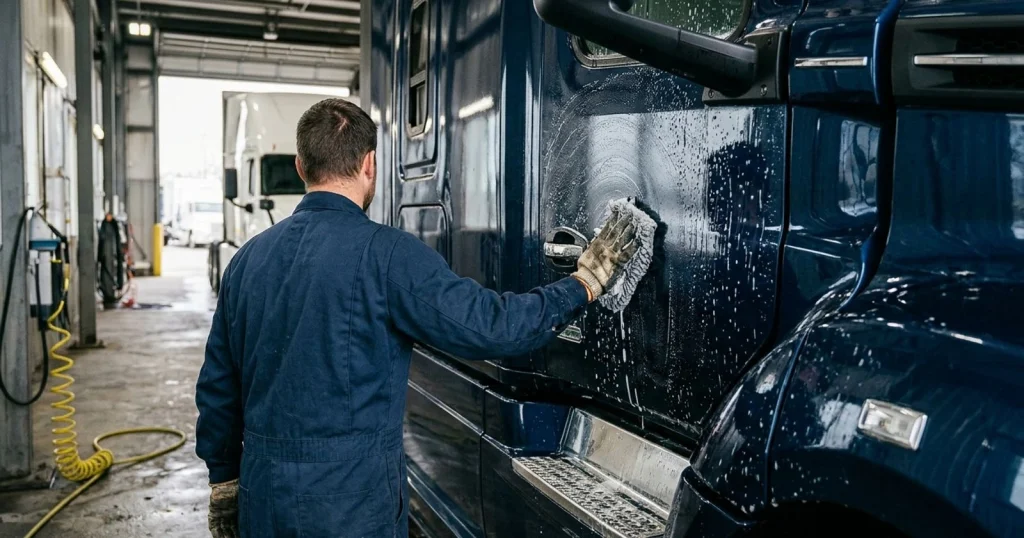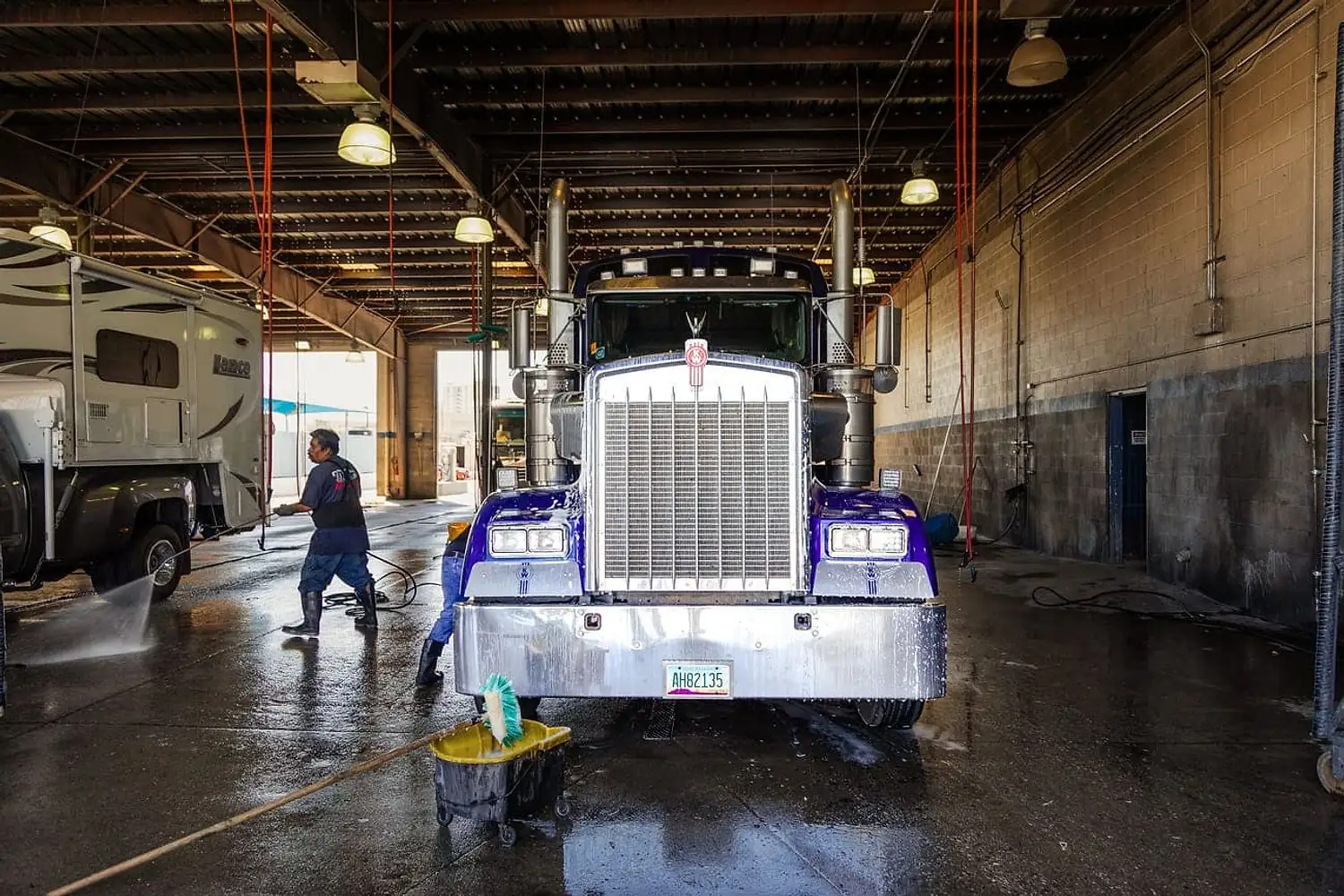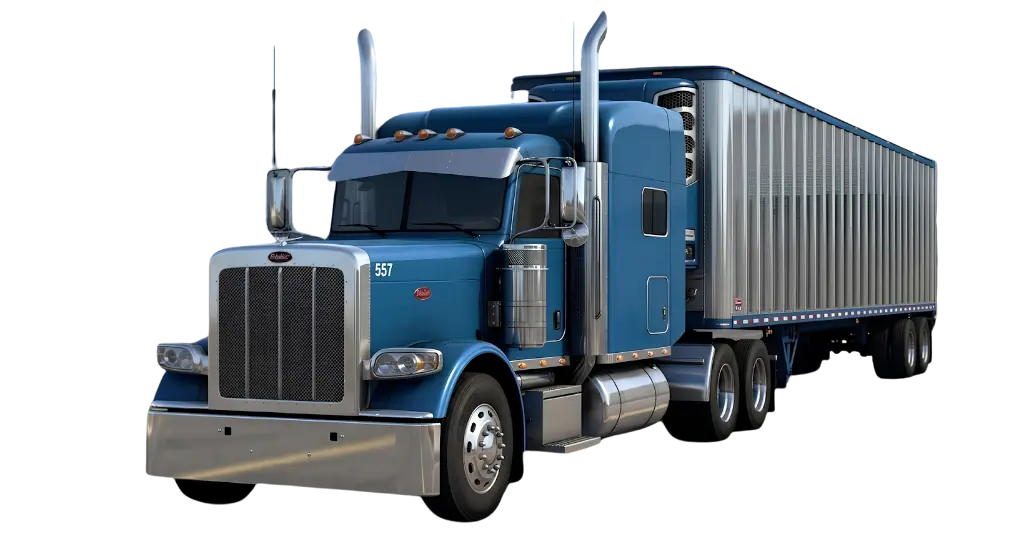
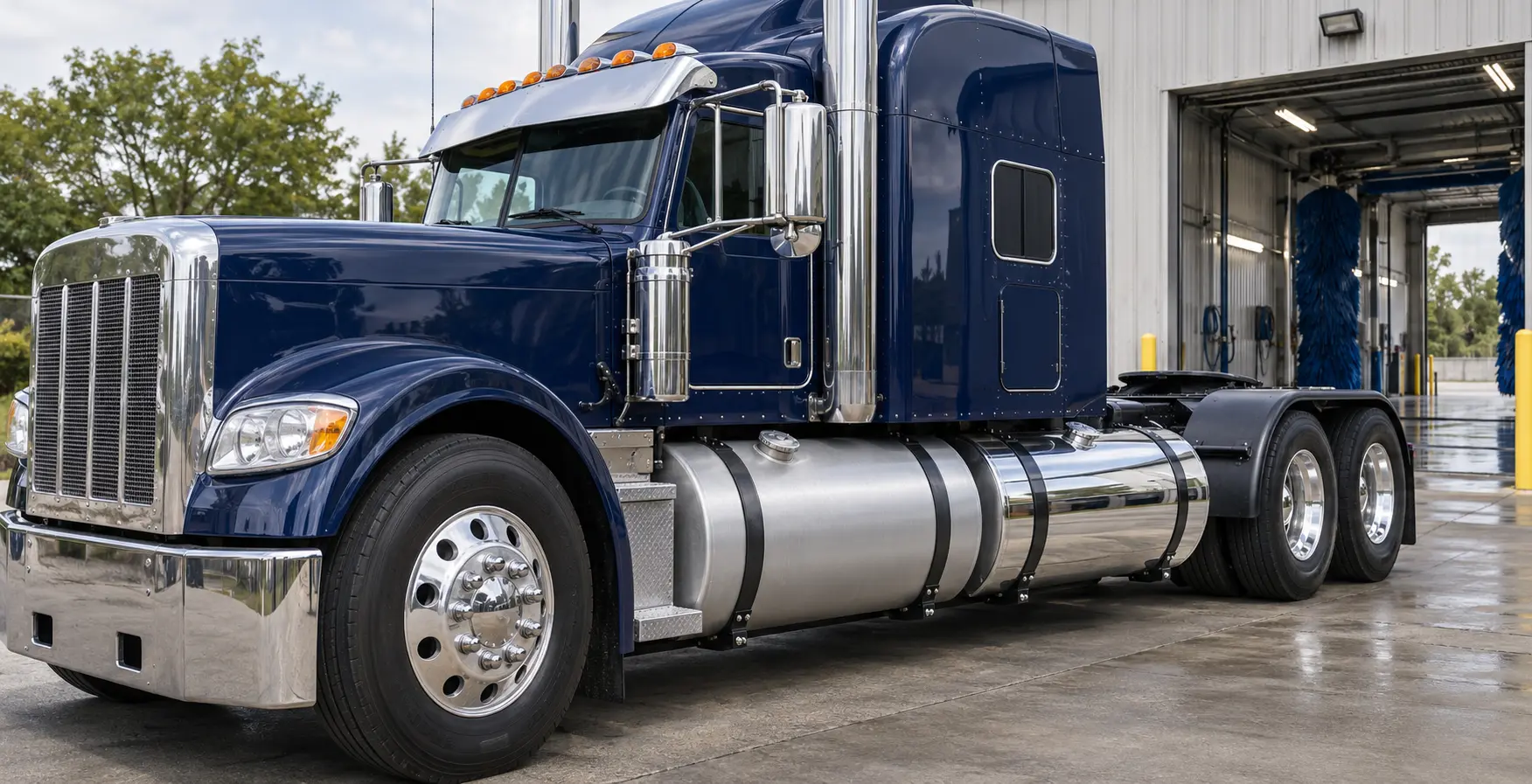
Is the dull aluminum on your rig asking for a brightener, or for a buffer and polishing compound? Most drivers decide based on how dirty the truck looks, and that is the wrong starting point. The finish of the metal decides the method. Brighten bare, dull aluminum to strip oxidation and road film. Polish bare aluminum when the goal is gloss. Never guess on coated or treated wheels.
The stakes are real. The wrong acid on a treated wheel can haze it for good, and the wrong compound can strip a protective layer you paid for. At Little Sister’s Truck Wash, every treatment starts with reading the finish. The framework below works component by component, with the checks that keep a fleet’s brightwork out of the refinishing shop.
Table of Contents
- Aluminum Brightening vs Polishing Semi Trucks by Finish
- Which Treatment Fits Each Truck Component?
- Stop Skipping the Damage Prevention Checklist
- When Brightening Stops and Refinishing Starts
- Frequently Asked Questions
Aluminum Brightening vs Polishing Semi Trucks by Finish
Brightening works chemically. An acid-based brightener dissolves oxidation, mineral deposits, and bonded road film. Polishing works abrasively, with cutting and finishing compounds leveling the surface so it reflects light. One cleans and the other reshapes, so neither can stand in for the other. Think of it like the difference between washing a windshield and resurfacing it.
Identify the finish before anything touches it
Run this field test on each surface:
- Mill-finish trailer skin. Flat gray, never shiny from the factory, no coating. This is prime brightener territory.
- Bare polished aluminum. Mirror-like, and it turns a clean rag black when rubbed. Polish suits it, and only mild products belong on it.
- Brushed or machined aluminum. Fine directional lines you can feel. Abrasives will erase the grain.
- Clear-coated wheels. A slick layer sits over the metal, water beads tightly, and a rag stays clean. No acid, no compound.
- Anodized parts. An even, slightly matte sheen, sometimes tinted. Acid can strip the anodized layer.
- Alcoa Dura-Bright. Check the stamp near the valve hole or the paperwork. It is a treated surface, not plain polished metal.
Alcoa’s own catalog shows why looks mislead. It lists Mirror Polished, Brushed, Dura-Bright, and Dura-Flange variants, with 835520 sold as Brushed and 835522DB as Dura-Bright. Two wheels can look nearly identical and need completely different care.
When the finish is uncertain, start with a hand wash and steam cleaning. Removing the film often reveals the real surface. Sometimes no further treatment is needed at all.
Which Treatment Fits Each Truck Component?
Each part of a truck carries its own finish and its own risk. Treat them one at a time, not as one big aluminum job.
| Component | Typical finish | Best method | Main risk |
|---|---|---|---|
| Trailer skins, diamond plate | Mill or bare | Brightening | Streaking if acid dries |
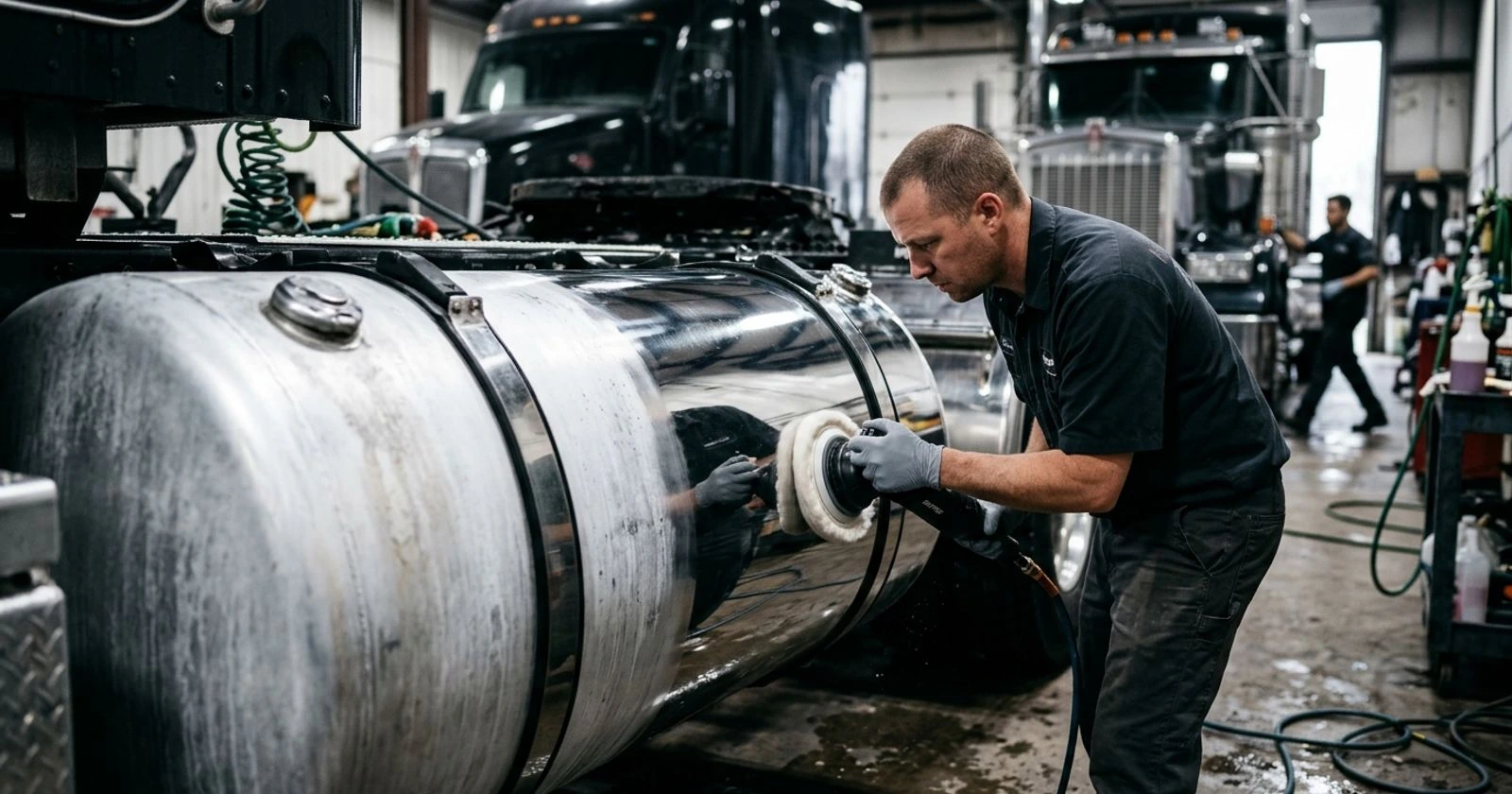
| Fuel tanks, stacks | Bare polished | Polishing | Haze from strong acid |
| Steps, engine brightwork | Mixed | Case by case | Coating or anodize loss |
| Wheels | Polished, brushed, coated, or treated | Finish decides | Permanent finish damage |
Answers to the questions drivers actually ask
Can brightener go on polished wheels? Only a mild, finish-safe product on confirmed bare aluminum, and never on coated or Dura-Bright wheels. A brightener will not make a dull tank mirror-bright either. It restores a clean, uniform, satin look, while mirror gloss requires mechanical polishing. For a white-oxidized trailer, brightening is the right call, because polishing a full trailer side takes far more labor for a finish few fleets need.
Protect what sits next to the trailer
Brightening a trailer usually puts acid inches from polished tanks, treated wheels, glass, paint, decals, and rubber seals. Mask or cover the tanks and wheels first, then pre-wet everything nearby so stray product dilutes. Rinse from the top down, and rinse adjacent parts a second time.
This is why Little Sister’s Truck Wash pairs Complete Hand Truck Washing with separate brightening and polishing steps, chosen for each part rather than sprayed across the whole rig.
Stop Skipping the Damage Prevention Checklist
Brightening fails in predictable ways. Follow these steps every time:
- Test a small hidden spot and inspect it after rinsing.
- Work on cool panels, out of direct sun.
- Keep the surface wet from start to finish.
- Control dwell time and follow the label exactly.
- Never let product dry on metal or glass.
- Rinse thoroughly with proper pressure, top to bottom.
- Shield glass, mirrors, and lights.
- Contain runoff and watch for overspray drift.
Acid that dries or sits too long etches aluminum, leaves white streaks, hazes polished metal, and can mark glass permanently. Guardian Chem’s published guidance separates acid families by aluminum compatibility. It warns that aggressive hydrochloric-based products carry real etching risk. Treat muriatic acid as a poor general-purpose choice.
Polishing has its own failure points
- Swirl marks from dirty pads or rushed passes
- Heat buildup from machine buffing that discolors metal
- Compound residue packed into seams and rivets
- Cross-contamination between cutting and finishing compounds
Pro Tip: Keep a dedicated pad for each compound and label it. A single grain of cutting compound on a finishing pad puts swirls right back in.
A quick desert-route check
Arizona and California routes add three local issues. Hard water leaves mineral spotting that looks like oxidation, and desert dust packs into existing oxidation and dulls it faster. Hot panels speed up chemical reactions, so dwell times shrink and product can dry in seconds. Wash in the early morning or under shade. Confirm the panel is cool by hand before applying anything.
When Brightening Stops and Refinishing Starts
Brightening removes oxidation and road film. It cannot fix deep scratches, pitting, etched glass, or failed clear coat. If a fingernail catches in a scratch, the damage sits below the surface. Pitting shows as tiny craters that stay dark after cleaning, and failed clear coat peels, flakes, or shows cloudy patches that no wash reaches.
A five-step fleet framework
Match the method to the condition, starting with the lightest option:
- Wash only. For light film. Low labor, minimal risk, restores the original look.
- Brightening. For dull oxidation on bare aluminum. Moderate labor, risk if misapplied, gives a clean satin finish.
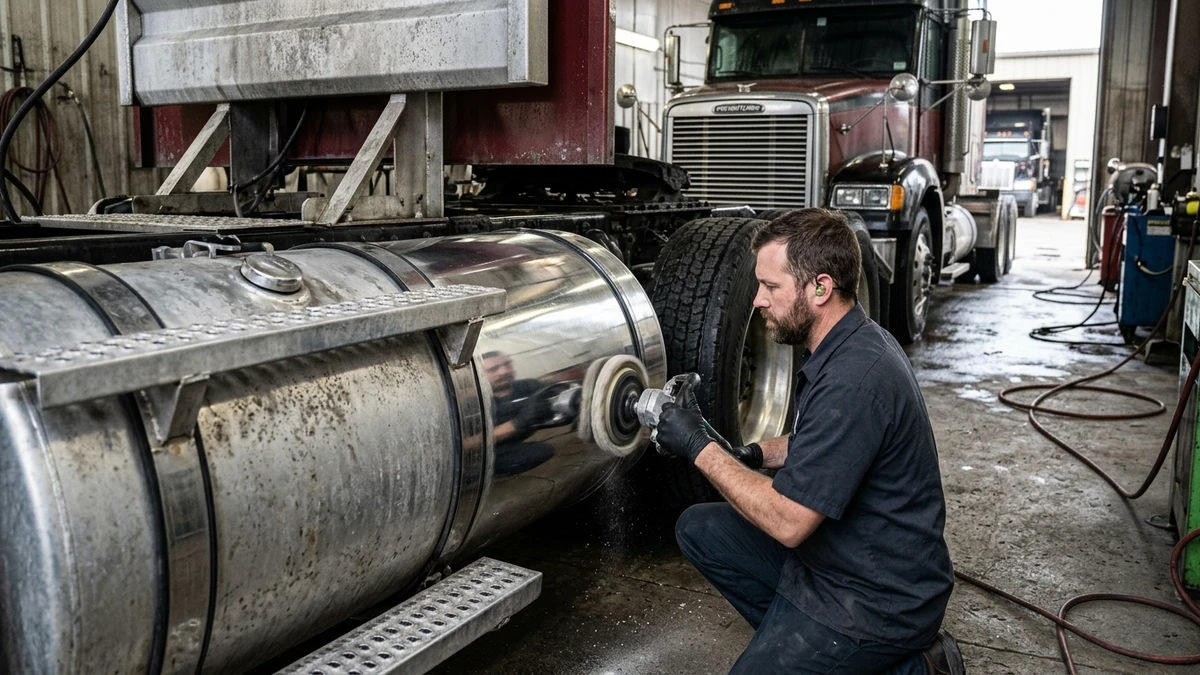
- Hand polish. For light dullness on bare polished parts. Moderate labor, low risk, brings back gloss.
- Machine polish. For heavier correction. High labor, swirl and heat risk, delivers mirror gloss.
- Refinishing. For pitting or coating failure. Highest labor, specialist work, the only path to a true restore.
Escalate one step at a time, the same way you would troubleshoot a check-engine light before pulling the head. Repeated acid washing on parts that need polishing turns a maintenance job into a restoration job.
The Dura-Bright rule is simple. Treated wheels need manufacturer-compatible cleaning, not automatic acid brightening or abrasive polishing. If the wheel says Dura-Bright, follow Alcoa’s care guidance and skip both acid and compound. Logging each truck’s wheel finishes in your fleet records means technicians never have to guess at a service.
A finish-first approach settles the brightening-or-polishing question on any fleet. Complete hand truck washing with no harsh brushes, family-owned since 1988, is the foundation, with Steam Cleaning and Polishing applied only where the metal calls for them. To get an honest finish assessment and keep every rig clear of avoidable damage, open an Account and put your fleet’s aluminum on a plan instead of a guess.
Frequently Asked Questions
Does aluminum brightener remove pitting?
No. Brightener removes oxidation and film from the surface only. Pitting sits in the metal and needs machine polishing or refinishing.
Can I polish Dura-Bright wheels?
No. Dura-Bright is a surface treatment, and abrasive compounds can damage it. Clean it with methods Alcoa approves.
Is acid brightener safe on clear-coated wheels?
No. Acid can haze or lift the clear coat. Hand wash coated wheels with a pH-appropriate cleaner instead.
Will brightening give my trailer a mirror finish?
No. Brightening produces a clean, even, satin look. Mirror gloss requires mechanical polishing on bare aluminum.
Is DIY polishing worth it for owner-operators?
Hand polishing light dullness with a product like Mothers Mag & Aluminum Polish is reasonable. Machine correction carries swirl and heat risk, so heavier work suits a trained technician.