
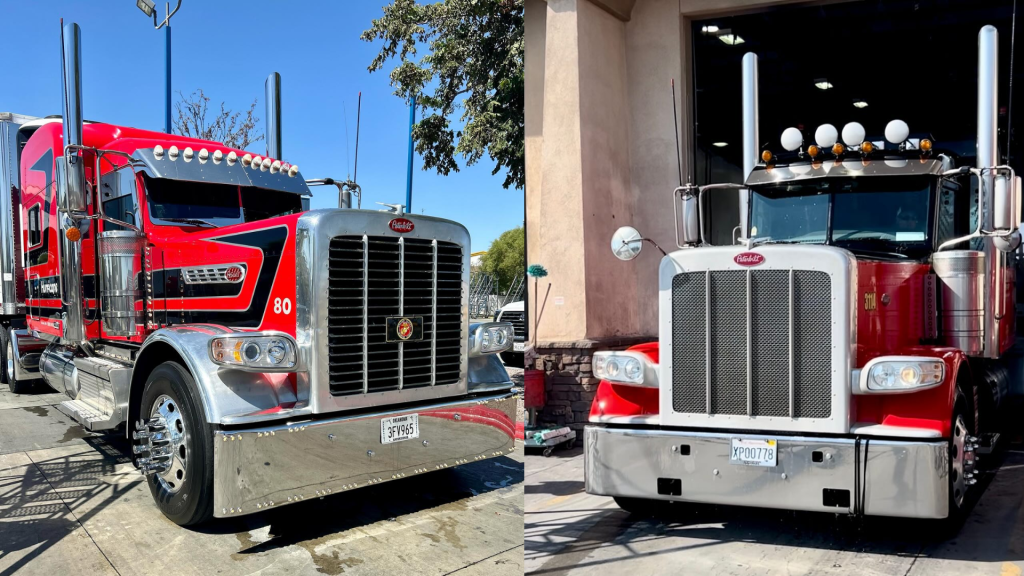
In the world of American logistics, every pound and every minute counts. Fleet owners and independent owner-operators across the USA are constantly looking for ways to optimize fuel efficiency, reduce maintenance costs, and ensure maximum uptime. However, there is one hidden “tax” on the trucking industry that often goes unnoticed until it’s sitting on a certified scale: Road Grime.
It sounds like a minor aesthetic issue, but for a Class 8 heavy-duty vehicle, a “dirty” truck isn’t just an eyesore—it’s a financial liability. From increased curb weight to aggressive DOT inspections, the cost of skipping your regular cleaning schedule can far exceed the price of professional truck washing services.
Here is a deep dive into how much that layer of mud, salt, and grease is actually costing you at the scales.
1. The Literal Weight of Road Grime
When you think of “dirt,” you might imagine a few pounds of dust. But for a tractor-trailer traveling through varying climates in the USA—especially during the winter months—the accumulation is significant. Road salt, slush, mud, and industrial debris can “cake” onto the undercarriage, fifth wheel, and inner wheel wells.
Industry estimates suggest that a heavily soiled commercial vehicle can carry anywhere from 200 to 500 pounds of excess debris. If you are hauling a load that puts you right at the 80,000-lb limit, that extra weight could be the difference between a “clear” signal and a “pull over” order at the weigh station. An overweight citation isn’t just a slap on the wrist; depending on the state, fines can range from a few hundred to several thousand dollars.
2. The “Magnet” Effect for DOT Inspectors
State troopers and DOT inspectors at weigh stations have a “sixth sense” for maintenance levels. A truck that arrives at the scales covered in thick layers of grease and road film sends an immediate signal: If they aren’t cleaning the outside, what else are they neglecting?
A dirty truck is a visual invitation for a Level I or Level II inspection. When your components are covered in grime, it’s harder for you (and the inspector) to see hairline cracks in the frame, leaking wheel seals, or frayed air lines. If an inspector has to scrape away grease to check a brake adjustment, they are already in a meticulous mindset.
Professional truck washing services do more than make a truck shine; they “prep” the vehicle for inspection by ensuring all critical safety components are visible. To understand why standard cleaning isn’t enough for these heavy-duty rigs, read more about Why Trucks Require Different Cleaning Techniques Than Light-Vehicles.
3. Corrosion: The Silent Profit Killer
For trucks operating within the USA, the chemical brines used on winter roads are incredibly aggressive. Magnesium chloride and calcium chloride are designed to melt ice, but they also eat through your truck’s wiring harnesses and steel frames.
When these chemicals sit on your vehicle, they trap moisture against the metal. If you aren’t using high-quality washing techniques to neutralize these salts, you are looking at premature component failure. This is particularly true for your aluminum components, which require specialized care to maintain their integrity. You can learn more about this in our guide on The Importance of Aluminum Brightening for Commercial Trucks.
4. Fuel Efficiency and Aerodynamics
Modern trucks are marvels of aerodynamic engineering. However, aerodynamics rely on “laminar flow”—air moving smoothly over a surface. When a truck is covered in a rough layer of dried mud and bugs, it creates micro-turbulence. While it might only result in a small drop in fuel economy, for a long-haul trucker covering 100,000 miles a year, that percentage represents hundreds of gallons of diesel.
5. Professionalism and Brand Equity
In the logistics business, your truck is your rolling billboard. Whether you are parked at a rest area or pulling up to a shipper’s dock, the cleanliness of your equipment reflects your operational standards. Many high-end shippers in the USA prefer to hire carriers that maintain a professional appearance. For those managing larger operations, implementing a consistent schedule is key; see our tips on How to Create an Efficient Fleet Wash Schedule.
Why “DIY” Washing Isn’t Enough for the Scales
Many drivers attempt to wash their trucks at a rest stop with a garden hose. While this removes surface dust, it rarely touches the areas that matter most at the scales:
- The Undercarriage: Where the bulk of the weight hides.
- The Fifth Wheel: To ensure proper coupling and inspection visibility.
- The Engine Bay: To prevent overheating and allow for leak detection.
This is where specialized truck washing services come into play. Professional facilities use heated high-pressure water and specialized detergents that break down road film without damaging paint.
Conclusion
Don’t let road grime be the reason you get a “red light” at the weigh station. Whether you are hauling across the heartland or navigating the coastal corridors of the USA, keeping your equipment clean is the simplest way to protect your bottom line.
Ready to shed that extra weight and roll through the scales with confidence? Visit LS Truck Wash today and give your fleet the professional care it deserves. Clean trucks run better, last longer, and cost you less at the scales.